




Attic Insulation and Your Roof: What Orangeburg SC Homeowners Need
By Dubya Roofing & Gutters | June 28, 2026 | 8 min read
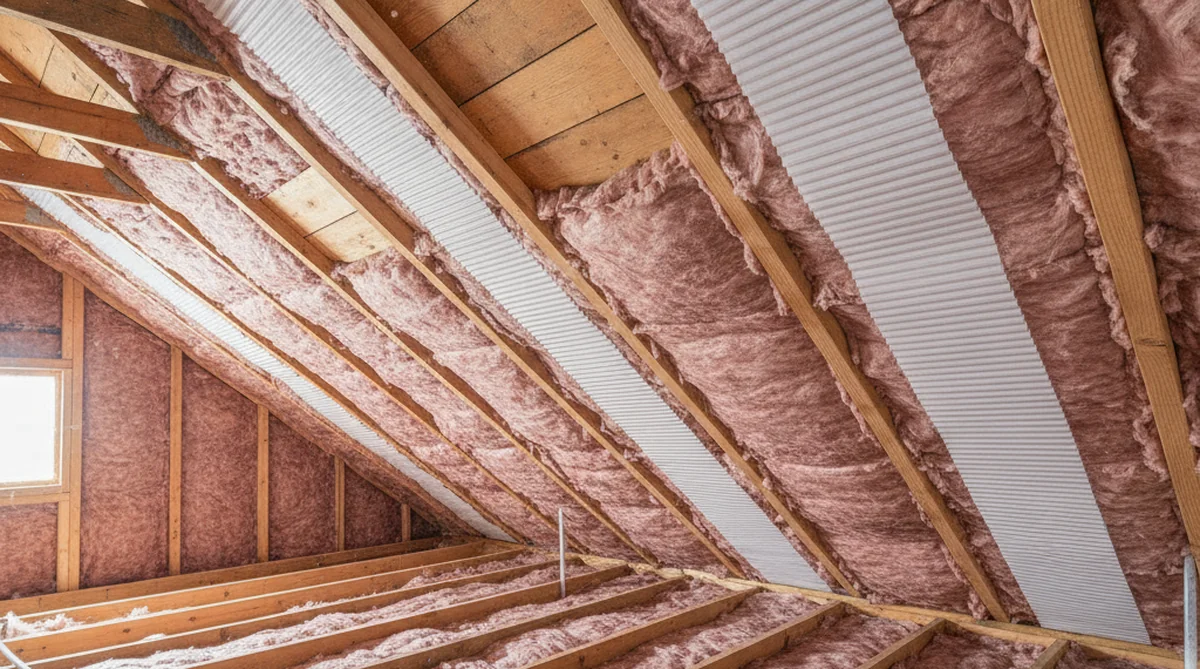
Proper attic insulation works hand-in-hand with your roofing system to protect your Orangeburg home from heat, moisture, and energy loss, while inadequate insulation can lead to premature roof failure, ice damming, and skyrocketing utility bills. Understanding how these two systems interact is essential for every Orangeburg County homeowner looking to maximize their home's efficiency and roof longevity.
How Attic Insulation Affects Your Roof's Performance
Attic insulation directly impacts your roof's lifespan by regulating temperature and moisture levels in the space between your living area and roofing materials. When your attic lacks proper insulation, heat from your home rises and accumulates in the attic space, causing your roof decking to experience extreme temperature fluctuations throughout the day and night. In Orangeburg's humid subtropical climate, where summer temperatures regularly exceed 90 degrees, this heat buildup can cause shingles to deteriorate prematurely, adhesives to fail, and wood decking to warp or crack.
Additionally, poor insulation creates conditions for moisture accumulation. When warm, humid air from your living space meets the cooler surfaces in an under-insulated attic, condensation forms on rafters, decking, and even the underside of your roofing materials. This moisture creates an ideal environment for mold growth, wood rot, and structural damage that can compromise your entire roofing system. Proper insulation acts as a thermal barrier that prevents these temperature differentials and keeps moisture where it belongs—outside your home.
The Right Insulation R-Value for Orangeburg County Homes
Orangeburg SC homeowners should aim for an attic insulation R-value between R-38 and R-49 to meet Department of Energy recommendations for our climate zone. The R-value measures insulation's resistance to heat flow, with higher numbers indicating better insulating performance. Given Orangeburg County's hot, humid summers and mild winters, achieving at least R-38 helps maintain comfortable indoor temperatures while reducing the strain on your HVAC system and protecting your roof from heat-related damage.
Most existing homes in the Orangeburg area were built with significantly less insulation than current standards recommend. If you can see your attic floor joists, you likely have R-19 or less—about half of what you need for optimal performance. Upgrading your insulation not only protects your roof but can reduce cooling costs by 15-20% during our lengthy summer season. When inspecting your attic insulation, also check for gaps, compression, or water staining that indicates problems requiring immediate attention.
Ventilation: The Missing Link Between Insulation and Roofing
Proper attic ventilation is absolutely critical for allowing insulation and roofing to work together effectively, as ventilation removes excess heat and moisture that insulation alone cannot prevent. Even with adequate insulation, your Orangeburg attic needs a balanced ventilation system with intake vents at the soffits and exhaust vents at or near the ridge. This creates airflow that carries away heat buildup and humidity, preventing the condensation issues that lead to roof damage.
The general rule is one square foot of ventilation for every 150 square feet of attic space, split evenly between intake and exhaust. Without this balance, you might have negative pressure that pulls conditioned air from your home, or positive pressure that prevents moisture from escaping. During Orangeburg's summer months, a properly ventilated attic can be 20-30 degrees cooler than one with inadequate airflow, significantly extending your roof's service life.
Warning Signs Your Insulation Is Damaging Your Roof
Several visible indicators suggest that inadequate or improperly installed attic insulation is causing problems for your roofing system. Inside your home, look for water stains on ceilings, especially near exterior walls, which often indicate condensation problems in your attic. Uneven temperatures between rooms, excessive ice buildup in gutters during rare Orangeburg cold snaps, or unusually high energy bills all point to insulation deficiencies affecting your roof's performance.
From the exterior, inspect your roof for shingles that appear to be aging unevenly—if some areas look significantly more worn than others, heat from poor insulation may be the culprit. Sagging roof decking, visible when looking along your roofline, indicates moisture damage often caused by condensation in poorly insulated attics. If you notice any of these signs, call (803) 855-1850 to schedule a comprehensive inspection of your roofing and attic insulation system.
- Dark streaks or discoloration on interior ceilings
- Ice dams forming along roof edges (during winter weather)
- Peeling paint on attic-adjacent walls or soffits
- Mold or mildew odors in upper-level rooms
- Shingles curling, cracking, or losing granules prematurely
How Proper Gutter Systems Complement Insulation and Roofing
Your gutter system plays a crucial supporting role in protecting both your roof and attic insulation by efficiently channeling water away from your home's structure. When gutters fail due to clogs, leaks at seams, or improper slope, water can back up under shingles, saturate roof edges, and eventually seep into your attic where it compromises insulation effectiveness. In Orangeburg County, where we experience intense thunderstorms and heavy rainfall throughout spring and summer, functioning gutters are non-negotiable for roof protection.
At Dubya Roofing & Gutters, we use a KWM seamless gutter machine to fabricate gutters on-site at your Orangeburg property, creating custom-fit sections with no seams that eliminate the most common failure points in traditional gutters. These seamless gutters provide superior water management that keeps moisture away from your roof edges, fascia boards, and attic spaces. Combined with proper insulation and ventilation, a quality seamless gutter system creates a comprehensive protection strategy for your home.
Best Practices for Upgrading Attic Insulation With an Existing Roof
Orangeburg homeowners can safely add insulation to their attics without replacing their roofs, provided they follow certain guidelines to avoid creating new problems. Before adding insulation, ensure your roof is in good condition without active leaks, and address any ventilation deficiencies first—adding insulation to a poorly ventilated attic will only trap more moisture and accelerate damage. Seal air leaks around plumbing vents, electrical penetrations, and attic access points before installing new insulation to prevent warm, moist air from entering the attic space.
When adding insulation, never cover soffit vents or block airflow pathways between intake and exhaust vents. Use baffles or rafter vents to maintain clear channels for air movement while insulating all the way to the roof edges. For Orangeburg's climate, blown-in fiberglass or cellulose insulation often provides the most cost-effective coverage, filling gaps and achieving uniform R-values across your entire attic floor. If you're unsure about the condition of your roof or how insulation upgrades might affect your roofing system, professional assessment ensures you make improvements that enhance rather than compromise your home's protection.
Frequently Asked Questions
Can I add more attic insulation if my roof is older?
Yes, you can add insulation to an attic under an older roof, but first have the roof inspected for leaks, proper ventilation, and structural integrity. Adding insulation to a roof with existing moisture problems or ventilation issues will trap humidity and accelerate damage rather than prevent it.
What type of attic insulation works best in Orangeburg SC's climate?
Blown-in fiberglass and cellulose insulation perform exceptionally well in Orangeburg's hot, humid climate because they fill gaps completely and resist moisture when properly ventilated. Both materials can achieve the recommended R-38 to R-49 values needed for our area, with cellulose offering slightly better air-sealing properties.
How does poor attic insulation lead to roof damage?
Inadequate insulation allows heat to accumulate in your attic, causing extreme temperature swings that make shingles age prematurely and decking materials to expand and contract excessively. Poor insulation also creates condensation when warm indoor air meets cool surfaces, leading to moisture damage, mold growth, and wood rot in roof structures.
Should I insulate my attic before or after getting a new roof?
Ideally, upgrade your attic insulation shortly after installing a new roof so both systems work together from the start to maximize your roof's lifespan. However, if your roof is in good condition, adding proper insulation now will protect your existing roof and extend its service life without requiring replacement.
How much can proper attic insulation reduce my cooling costs in Orangeburg?
Orangeburg homeowners who upgrade from minimal insulation (R-19 or less) to recommended levels (R-38 to R-49) typically see cooling cost reductions of 15-25% during summer months. The exact savings depend on your home's size, HVAC efficiency, and how much insulation you had previously, but most homeowners recoup their investment within 3-5 years.
Published June 28, 2026 | Dubya Roofing and Gutters serves Orangeburg, Sumter, Summerville, Bamberg, Holly Hill, and surrounding counties in the SC Midlands.