




Attic Ventilation Problems in Orangeburg, SC: Signs & Fixes
By Dubya Roofing & Gutters | April 26, 2026 | 8 min read
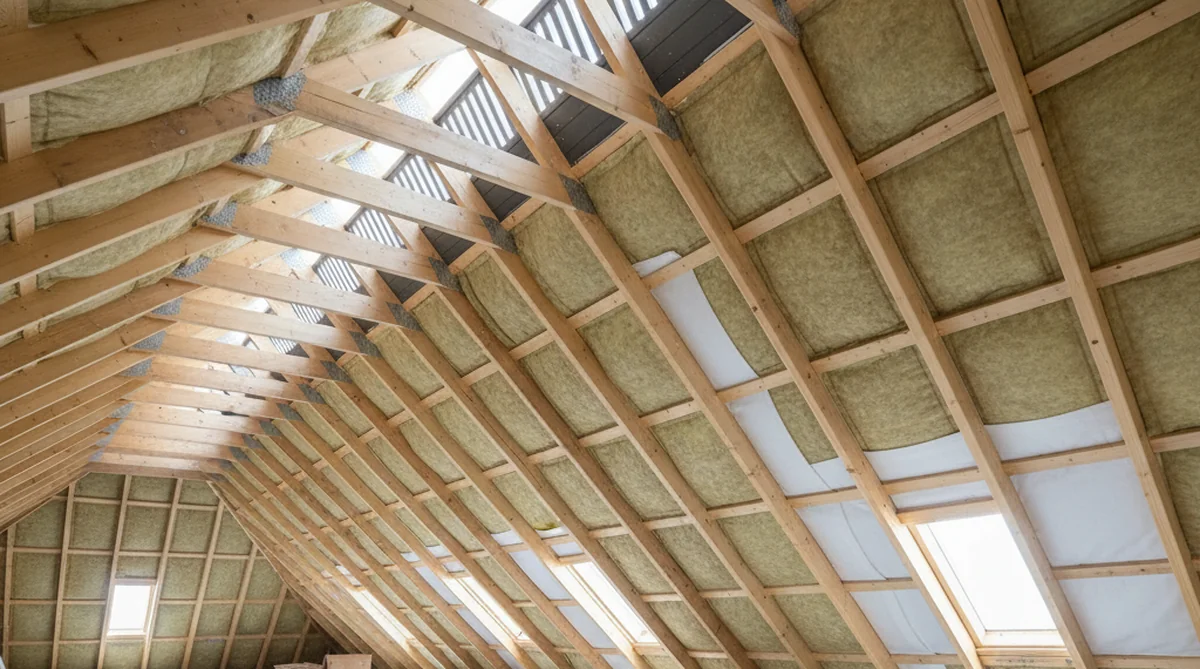
Attic ventilation problems in Orangeburg, SC can lead to moisture damage, premature roof deterioration, higher energy bills, and compromised indoor air quality. Proper attic ventilation is essential in our humid South Carolina climate to prevent these costly issues and extend the life of your roofing system.
What Are the Most Common Signs of Poor Attic Ventilation in Orangeburg Homes?
The most common signs of poor attic ventilation include excessive heat in upstairs rooms, ice dams in winter, visible moisture or frost in the attic, and prematurely aging roof shingles. Orangeburg homeowners often notice their air conditioning working overtime during our hot, humid summers—a clear indicator that trapped heat in the attic is radiating down into living spaces. You might also spot mold or mildew growth on attic surfaces, peeling paint on exterior soffits or fascia, or a musty odor when entering the attic space.
Another telltale sign is curling or buckling roof shingles that appear older than they should be. In Orangeburg County's climate, where summer temperatures regularly exceed 90 degrees and humidity stays high, inadequate ventilation can cause attic temperatures to soar above 150 degrees. This extreme heat literally cooks your roof from the inside out, shortening its lifespan by years. If you notice any of these warning signs, it's time to have your attic ventilation assessed by professionals.
How Does Poor Attic Ventilation Damage Your Orangeburg Roof?
Poor attic ventilation damages your roof by trapping excessive heat and moisture that deteriorate roofing materials from beneath, warping decking and causing shingles to age prematurely. When hot air becomes trapped in your attic during Orangeburg's summer months, it superheats the roof deck and shingles, breaking down the asphalt and adhesives that hold everything together. This accelerated aging process can reduce a 25-year roof's lifespan to just 15 years or less.
Moisture is equally destructive. Without proper ventilation, warm, humid air from your living spaces rises into the attic where it condenses on cooler surfaces. This condensation leads to wood rot in rafters and decking, compromised insulation effectiveness, and creates the perfect environment for mold growth. The damage often extends beyond the roof itself—your gutters, fascia boards, and soffits can also suffer. Speaking of gutters, proper water management is crucial for the entire roofing system. At Dubya Roofing & Gutters, we fabricate seamless gutters on-site using our KWM seamless gutter machine, ensuring perfect-fit gutters with no seams that could leak and compound moisture problems around your roofline.
What Causes Attic Ventilation Problems in Orangeburg County?
Attic ventilation problems in Orangeburg County are typically caused by blocked soffit vents, insufficient ridge vents, covered or inadequate attic vents, or insulation that blocks airflow pathways. Many older homes in downtown Orangeburg and throughout the county were built before modern ventilation standards, leaving them with insufficient intake or exhaust vents. Even newer homes can develop problems if insulation was improperly installed, covering soffit vents and preventing fresh air from entering the attic space.
Other common culprits include:
- Wasp nests, bird nests, or debris blocking existing vents
- Painted-over gable vents that no longer allow airflow
- Improperly installed bathroom or kitchen exhaust fans venting into the attic instead of outside
- Inadequate ventilation-to-square-footage ratios based on attic size
- Missing or damaged ridge vents following roof repairs or replacement
The hot, humid climate of Orangeburg makes proper ventilation even more critical than in drier or cooler regions. Your attic needs both intake vents (typically in soffits) and exhaust vents (ridge vents, gable vents, or roof vents) working together to create continuous airflow that removes heat and moisture.
How Can Orangeburg Homeowners Fix Attic Ventilation Issues?
Fixing attic ventilation issues requires a balanced approach that ensures adequate intake and exhaust ventilation, typically by installing ridge vents, soffit vents, or additional roof vents as needed. The first step is having a professional inspection to calculate your attic's square footage and determine the proper ventilation requirements. Building codes generally recommend one square foot of ventilation for every 150 square feet of attic space, with that ventilation split evenly between intake and exhaust.
For most Orangeburg homes, the most effective solution involves installing continuous ridge vents along the roof peak combined with continuous soffit vents along the eaves. This creates a natural convection current where cool air enters through the soffits, travels up through the attic space, and exits through the ridge—removing heat and moisture in the process. If your home has blocked soffit vents, these need to be cleared or properly vented. Insulation baffles should be installed to maintain an air channel between the insulation and roof deck.
Don't wait until ventilation problems cause expensive damage. Call Dubya Roofing & Gutters at (803) 855-1850 for a thorough attic ventilation assessment and customized solutions for your Orangeburg home.
What Role Do Gutters Play in Attic Health and Ventilation?
While gutters don't directly ventilate your attic, they play a crucial supporting role by managing water runoff that could otherwise infiltrate your roof system and create moisture problems. Clogged or damaged gutters allow water to back up under shingles or overflow onto fascia boards and soffits—the very areas where your intake vents are located. When soffits become water-damaged or rotted, they can't properly ventilate your attic, creating a compounding problem.
High-quality, properly installed gutters protect your entire roofing system. That's why Dubya Roofing & Gutters uses our KWM seamless gutter machine to fabricate gutters right at your Orangeburg property. Unlike sectional gutters with multiple seams that can leak and separate over time, our seamless gutters are custom-measured and formed as one continuous piece. This means fewer potential failure points, better water management, and longer-lasting protection for your roof, fascia, and soffit vents. When your gutters work correctly, they complement your attic ventilation system by keeping moisture where it belongs—away from your home.
How Does Orangeburg's Climate Make Attic Ventilation Essential?
Orangeburg's hot, humid subtropical climate makes proper attic ventilation absolutely essential because the combination of high temperatures and moisture creates a perfect storm for roof damage and energy waste. During summer months, when temperatures regularly hit the low to mid-90s and humidity often exceeds 70%, poorly ventilated attics can reach temperatures of 150 degrees or higher. This trapped heat radiates into your living spaces, forcing your HVAC system to work significantly harder and driving up energy costs.
The humidity factor is equally important for Orangeburg County residents. Our area receives approximately 45 inches of rain annually, and the moisture-heavy air naturally tries to find its way into every space—including your attic. Without proper ventilation to exhaust this humid air, condensation forms on cool surfaces during temperature changes, particularly during spring and fall nights when outdoor temperatures drop. This persistent moisture exposure leads to mold, mildew, wood rot, and insulation degradation. Homes near the Edisto River or other water features in Orangeburg County are especially vulnerable to moisture problems, making regular ventilation maintenance and inspection crucial for long-term roof health and home comfort.
Frequently Asked Questions
How much does it cost to fix attic ventilation problems in Orangeburg, SC?
Attic ventilation repair costs in Orangeburg typically range from $300 to $2,000 depending on the scope of work needed. Simple solutions like clearing blocked vents or installing additional roof vents cost less, while comprehensive systems with ridge vents and soffit work cost more. A professional inspection can provide an accurate estimate for your specific situation.
Can I improve attic ventilation without replacing my entire roof?
Yes, you can significantly improve attic ventilation without a full roof replacement in most cases. Solutions include adding ridge vents, installing additional roof or gable vents, clearing blocked soffit vents, or adding solar-powered attic fans. A roofing professional can assess your current system and recommend the most cost-effective improvements.
How often should Orangeburg homeowners inspect their attic ventilation?
Orangeburg homeowners should inspect attic ventilation at least twice per year—once before summer and once before winter. Additionally, check your attic after major storms or if you notice signs like increased energy bills, moisture problems, or premature shingle deterioration. Regular inspections help catch small problems before they become expensive repairs.
What's the ideal attic temperature in an Orangeburg home during summer?
A properly ventilated attic in Orangeburg should be no more than 10-20 degrees warmer than the outdoor temperature during summer months. If your attic temperature exceeds 120 degrees when it's 95 degrees outside, you likely have inadequate ventilation. Excessive attic heat indicates trapped air that's damaging your roof and increasing cooling costs.
Do all Orangeburg homes need the same type of attic ventilation?
No, attic ventilation needs vary based on roof design, attic size, and home construction. Ranch-style homes common in Orangeburg County may benefit most from ridge and soffit vents, while homes with complex roof lines might need a combination of different vent types. A professional assessment ensures you get the right ventilation system for your specific home design.
Published April 26, 2026 | Dubya Roofing and Gutters serves Orangeburg, Cordova, North, Rowesville, Cameron, and all of Orangeburg County, SC.