




How Hail Damage Affects Your Orangeburg, SC Roof
By Dubya Roofing & Gutters | April 19, 2026 | 8 min read
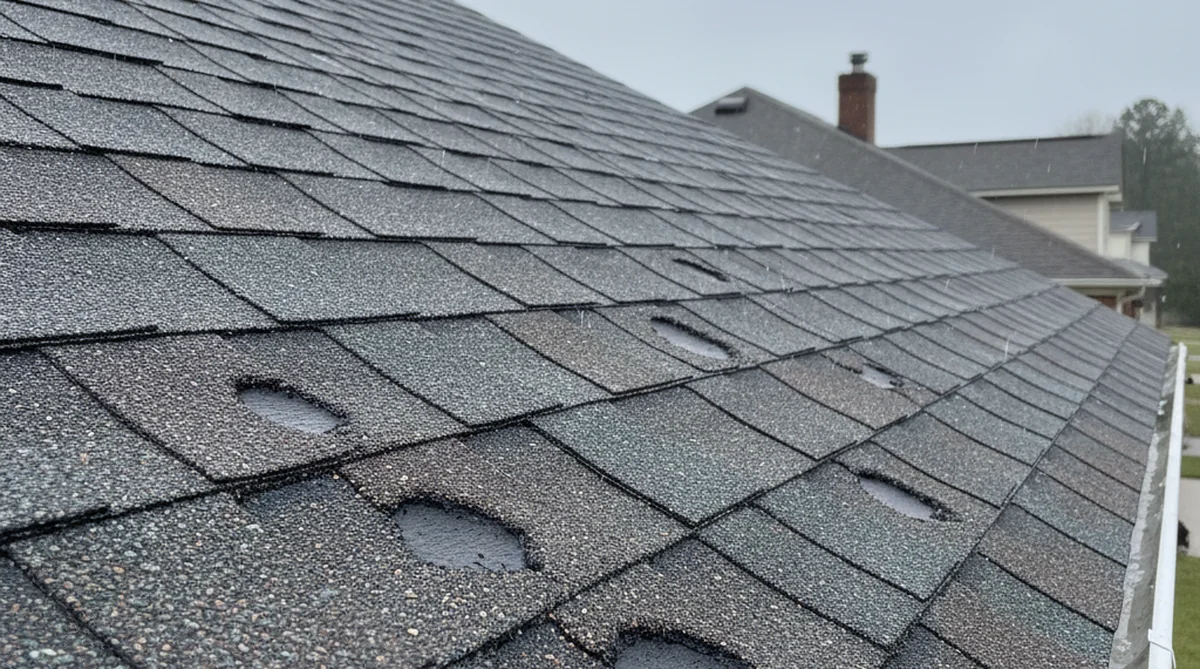
Hail damage can significantly compromise your Orangeburg, SC roof by cracking shingles, creating dents in metal components, loosening granules, and allowing water infiltration that leads to leaks, mold growth, and structural deterioration if left unaddressed.
What Does Hail Damage Look Like on Orangeburg Roofs?
Hail damage manifests differently depending on your roofing material, but there are several telltale signs Orangeburg County homeowners should watch for after a storm. On asphalt shingles—the most common roofing material in our area—hail impacts create circular bruises where the protective granules have been knocked off, exposing the black asphalt underneath. These damaged spots may appear as dark, soft areas when you press on them, indicating that the underlying fiberglass mat has been compromised.
Metal roofing, gutters, and flashing will show dents and dings from hail strikes, while wood shingles may develop splits with sharp edges and corners. You might also notice:
- Granules collecting in gutters and downspouts
- Dented or damaged roof vents, skylights, and chimney caps
- Cracked or broken shingles with exposed felt paper
- Damage to surrounding structures like siding, window screens, and outdoor AC units
How Does Orangeburg's Climate Make Hail Damage Worse?
Orangeburg's humid subtropical climate accelerates the deterioration that begins with hail damage, creating a perfect storm for roofing problems. Once hail cracks your shingles or knocks off protective granules, our hot, humid summers allow moisture to penetrate the roofing substrate much faster than in drier climates. The combination of intense UV radiation during Orangeburg's long summers and moisture infiltration causes damaged shingles to curl, crack, and fail at an accelerated rate.
Our area's seasonal temperature swings compound the problem further. When water seeps into hail-damaged areas during our occasional winter freezes, it expands and contracts, widening cracks and creating larger entry points for future water intrusion. The frequent afternoon thunderstorms that roll through Orangeburg County from spring through fall drive wind-blown rain into these compromised areas, pushing water beneath shingles and into your attic space. This is why addressing hail damage quickly is so critical for Orangeburg homeowners—our climate won't give your roof a break.
What Immediate Problems Does Hail Damage Cause?
The immediate aftermath of hail damage may seem minor, but even small impacts create urgent vulnerabilities in your roofing system. Water infiltration is the primary concern, as compromised shingles allow rain to bypass your roof's waterproof barriers. Within days of a hailstorm, water can begin pooling in your attic insulation, reducing its effectiveness and creating the damp conditions where mold thrives.
Your gutters and downspouts are also immediate casualties of hail damage. Dents in gutters can disrupt proper water flow, causing overflow that dumps water against your foundation rather than directing it safely away from your home. At Dubya Roofing & Gutters, we address this issue with our KWM seamless gutter machine that fabricates custom gutters right on your Orangeburg property—with no seams, there are fewer weak points vulnerable to future storm damage, and our seamless design ensures optimal water flow even after severe weather.
If you've noticed signs of hail damage after a recent storm, don't wait for small problems to become major repairs—call Dubya Roofing & Gutters at (803) 855-1850 for a professional inspection today.
What Long-Term Damage Can Hail Cause to Your Roof?
Left unaddressed, hail damage initiates a cascade of long-term structural problems that become increasingly expensive to repair. The granule loss from hail-damaged asphalt shingles removes the protective layer that shields your roof from UV rays, causing premature aging and brittleness. What might have been a roof with 10-15 years of life remaining can deteriorate to replacement-level condition within just 2-3 years after significant hail damage.
Water infiltration through damaged areas leads to the most serious long-term consequences. Persistent moisture in your attic and roof decking promotes wood rot, weakening the structural integrity of your roof deck and rafters. Mold and mildew growth in damp insulation and wood framing can spread throughout your Orangeburg home's HVAC system, creating health hazards and indoor air quality issues. Additionally, water stains on ceilings and walls indicate active leaks that can damage electrical wiring, ruin drywall, and destroy personal belongings stored in upper floors and attics.
Insurance companies are also aware that undisclosed hail damage complicates future claims. If you experience another storm event but never filed a claim or made repairs from previous hail damage, your insurer may deny coverage, leaving you responsible for the full replacement cost.
How Can Orangeburg Homeowners Detect Hidden Hail Damage?
Many homeowners miss critical hail damage because the most serious problems aren't visible from the ground. While you can spot obvious signs like damaged gutters or missing shingles, the subtle bruising and granule loss that leads to long-term failure requires a closer inspection. Look for asymmetrical wear patterns—if the south- or west-facing slopes of your roof show significantly more wear than other areas, hail may have accelerated deterioration on those exposures.
Check your property's surroundings for collateral damage that indicates hail severity. Dented mailboxes, damaged vinyl siding, stripped bark on trees, and destroyed garden plants all suggest that your roof likely sustained impact damage as well. Inside your home, inspect your attic on a sunny day with the lights off—if you see pinpricks of light coming through the roof deck, you have penetrations that need immediate attention.
Professional inspections are invaluable because experienced roofers know exactly what to look for and can document damage for insurance purposes. They'll examine not just shingles, but also roof penetrations, flashing, ventilation components, and the overall condition of your roofing system to provide a comprehensive assessment of hail-related damage.
What Should You Do After a Hailstorm in Orangeburg County?
Taking prompt action after a hailstorm protects both your home and your insurance claim rights. First, document the date and severity of the storm—take photos of any hail stones you find, noting their size, and photograph visible damage to your roof, gutters, siding, and landscaping from multiple angles. This documentation becomes crucial evidence for your insurance claim.
Contact a reputable local roofing contractor like Dubya Roofing & Gutters for a professional inspection before filing your insurance claim. A detailed inspection report helps ensure you don't underestimate the damage scope when speaking with your adjuster. Notify your insurance company promptly—most policies require timely reporting of storm damage, and delays can complicate or invalidate your claim.
Avoid storm-chasing contractors who go door-to-door after severe weather promising quick fixes or offering to waive your insurance deductible (which is illegal). Work with established Orangeburg County businesses that will be here long after the repairs are complete. Once your claim is approved, schedule repairs quickly to prevent secondary damage, and ensure the work includes a thorough inspection of your gutter system—properly functioning gutters are your first line of defense against water damage during our frequent South Carolina storms.
Frequently Asked Questions
Can small hail cause damage to my Orangeburg roof even if I don't see missing shingles?
Yes, even hail smaller than 1 inch in diameter can cause significant damage by bruising shingles and loosening protective granules without creating immediately visible holes or tears. This type of damage compromises your roof's ability to shed water and protect against UV rays, leading to premature failure even when the surface appears intact from the ground.
How long do I have to file an insurance claim for hail damage in South Carolina?
Most South Carolina homeowners insurance policies require you to report damage within one year of the storm event, though it's best to file as soon as possible after discovering damage. Waiting too long can make it difficult to prove the damage was caused by a specific storm event, and secondary damage from delayed repairs may not be covered.
Will my insurance cover a full roof replacement if I only have hail damage on one section?
Coverage depends on the extent of damage and your specific policy, but if hail damage affects a significant percentage of your roof (typically 8-10 squares or more), most insurers will cover full replacement. Adjusters assess the number of hail strikes per 10x10 foot section to determine whether spot repairs or complete replacement is warranted.
How can I tell the difference between hail damage and normal wear on my roof?
Hail damage appears as random, circular impacts with no discernible pattern, while normal wear shows up as uniform deterioration concentrated on sun-exposed slopes. Hail bruises will feel soft when pressed and show exposed asphalt in dark spots, whereas aged shingles display overall granule loss, curling edges, and cracking in consistent patterns across similar exposures.
Should I have my gutters inspected after a hailstorm even if my roof looks fine?
Absolutely—gutters often sustain dents and functional damage from hail even when roof damage isn't immediately apparent. Damaged gutters can fail to drain properly, causing water to overflow and damage your fascia, soffit, and foundation, which makes a comprehensive inspection of your entire roofing system essential after any significant hail event.
Published April 19, 2026 | Dubya Roofing and Gutters serves Orangeburg, Cordova, North, Rowesville, Cameron, and all of Orangeburg County, SC.