




How to Prepare Your Summerville SC Roof for Hurricane Season
By Dubya Roofing & Gutters | July 19, 2026 | 8 min read
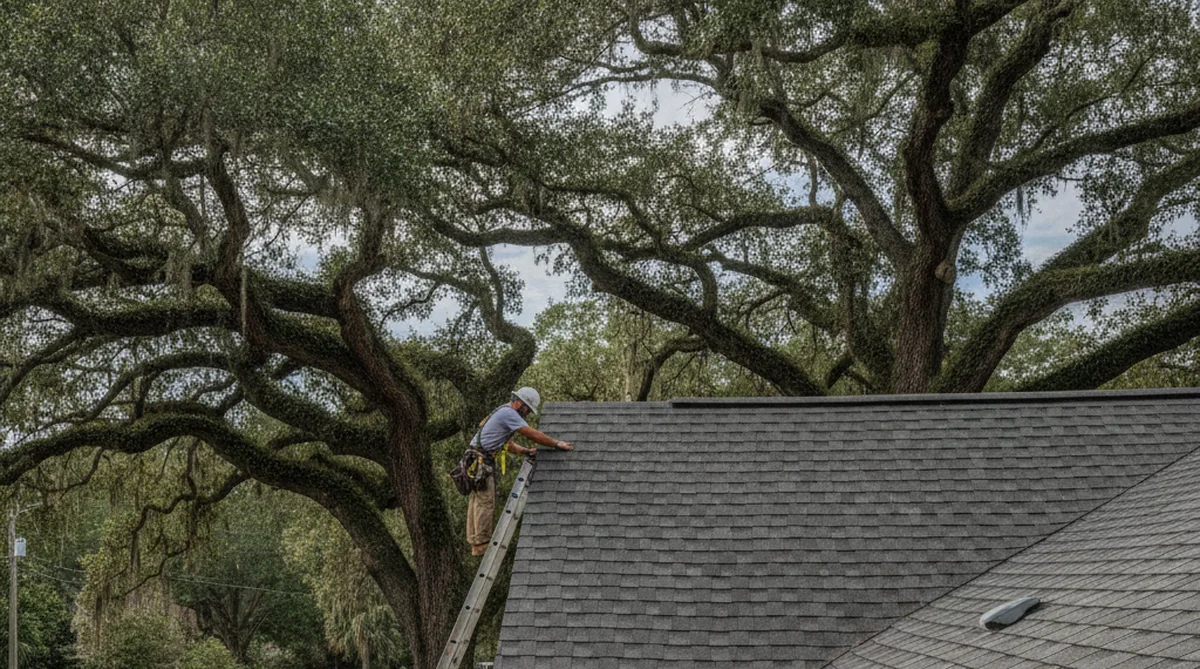
Preparing your Summerville SC roof for hurricane season involves a comprehensive inspection, clearing debris, securing loose components, reinforcing vulnerable areas, and ensuring your gutters are properly installed and functioning to handle heavy rainfall. Taking these preventive steps before hurricane season arrives in June can protect your home from costly water damage and structural issues during severe storms.
Conduct a Thorough Pre-Season Roof Inspection
The most important first step in hurricane preparation is scheduling a professional roof inspection in early spring, well before hurricane season officially begins on June 1st. A qualified roofing contractor will examine your shingles, flashing, underlayment, and structural components for signs of wear, damage, or weakness that could become serious problems during high winds and heavy rain. In Summerville's humid subtropical climate, roofs face year-round stress from heat, moisture, and afternoon thunderstorms, making pre-hurricane inspections especially critical.
During the inspection, professionals look for:
- Missing, cracked, or curling shingles that could lift in high winds
- Damaged or improperly sealed flashing around chimneys, vents, and skylights
- Soft spots or sagging areas indicating underlying structural damage
- Worn or deteriorating roof valleys where water concentrates
- Compromised seals around roof penetrations
Remove Debris and Trim Overhanging Branches
Clearing your roof and gutters of leaves, pine needles, and other debris is essential for preventing water backup and additional wind-driven damage during hurricanes. Summerville's beautiful oak trees and lush vegetation create picturesque neighborhoods, but overhanging branches become dangerous projectiles during hurricane-force winds. Tree limbs that touch or hang within 10 feet of your roof should be professionally trimmed before storm season arrives.
Debris accumulation in gutters and downspouts prevents proper drainage during the torrential rains that accompany hurricanes. When gutters overflow, water can infiltrate your roof deck, fascia boards, and even your home's foundation. Regular cleaning combined with professional gutter maintenance ensures water flows away from your home as designed, protecting both your roof and your property's structural integrity.
Secure and Upgrade Your Gutter System
A properly functioning gutter system is your roof's first line of defense against water damage during hurricane season's intense rainfall. Traditional sectional gutters with multiple seams are vulnerable points where leaks develop and sections can separate under the stress of heavy water flow and wind pressure. At Dubya Roofing & Gutters, we use a KWM seamless gutter machine to fabricate custom gutters on-site at your Summerville home, creating a continuous system without weak seam points that can fail during storms.
Before hurricane season, check that your gutters are:
- Securely fastened to your fascia boards with properly spaced hangers
- Sloped correctly to direct water toward downspouts
- Free from rust, corrosion, or separation at joints
- Equipped with functional downspouts that extend water at least 6 feet from your foundation
Don't wait until a hurricane warning is issued—call Dubya Roofing & Gutters at (803) 855-1850 today to schedule your pre-season roof and gutter evaluation.
Reinforce Vulnerable Roof Components
Hurricane-force winds exploit any weakness in your roofing system, making reinforcement of vulnerable areas a critical preparation step. The edges of your roof, including eaves, rakes, and ridges, experience the highest wind pressure during storms and should be checked for proper fastening and sealing. In Orangeburg County, where hurricane remnants can still pack significant punch even after moving inland, proper roof reinforcement can mean the difference between minor repairs and catastrophic damage.
Key reinforcement measures include installing hurricane straps or clips to better connect your roof deck to the wall structure, ensuring proper attic ventilation to equalize pressure during storms, and upgrading to impact-resistant shingles if your roof needs replacement. Roof-to-wall connections are particularly important in manufactured or older homes that may not have been built to current wind-resistance standards. Flashing around chimneys, vents, and other penetrations should be resealed or replaced if showing any signs of deterioration.
Address Minor Repairs Before They Become Major Problems
Small roofing issues that seem manageable during normal weather can quickly escalate into serious damage when a hurricane strikes Summerville. A single missing shingle can allow wind to get underneath adjacent shingles, potentially stripping entire sections of your roof during a storm. Similarly, a small leak that causes minor water staining during regular rainstorms can become a torrent during hurricane conditions, damaging insulation, drywall, and personal belongings.
Common repairs to address before hurricane season include replacing damaged or missing shingles, resealing flashing, repairing soft spots in the roof deck, fixing or replacing damaged fascia boards, and addressing any attic ventilation issues. These relatively minor repairs performed in April or May are far less expensive and disruptive than emergency repairs needed after storm damage. Additionally, once a hurricane watch or warning is issued, roofing contractors are overwhelmed with last-minute requests, and materials become scarce.
Create an Emergency Documentation Plan
Proper preparation includes documenting your roof's condition before hurricane season so you have evidence for insurance claims if damage occurs. Take clear photographs of your entire roof from multiple angles, including close-ups of all roof components, flashing details, and gutter systems. Document the condition of your attic, looking for any existing stains, damage, or issues that predate storm season.
Keep copies of all roofing work receipts, warranty information, and inspection reports in a waterproof container or digital format stored in the cloud. After any hurricane passes through the Summerville area, conduct a careful post-storm inspection (from the ground, not by climbing on the roof yourself) and photograph any new damage immediately. This documentation proves invaluable when filing insurance claims and helps ensure you receive fair compensation for legitimate storm damage. Working with a local, established roofing company that understands Orangeburg County's specific weather challenges provides peace of mind that your roof preparation has been thorough and effective.
Frequently Asked Questions
When is the best time to prepare my Summerville roof for hurricane season?
The ideal time to prepare your roof is in March, April, or early May, well before the June 1st start of hurricane season. This timing allows you to address any repairs or upgrades without the pressure of an approaching storm and ensures contractors have adequate availability and materials in stock.
How much wind can a properly maintained roof withstand during a hurricane?
A well-maintained roof built to current South Carolina building codes can typically withstand winds up to 110-130 mph, which covers Category 1 and 2 hurricanes. However, older roofs or those with existing damage may fail at much lower wind speeds, making pre-season inspection and repairs critical.
Should I replace my gutters before hurricane season if they're showing wear?
Yes, damaged or poorly functioning gutters should be replaced before hurricane season to prevent water damage during heavy rainfall. Seamless gutters fabricated on-site are particularly effective because they eliminate the weak seam points where traditional sectional gutters often fail under storm stress.
What are the most common types of hurricane roof damage in Summerville?
The most common hurricane-related roof damage includes missing or lifted shingles from high winds, water infiltration around flashing and roof penetrations, and damage from falling tree limbs. Wind-driven rain can also exploit any existing vulnerabilities, causing leaks that wouldn't occur during normal storms.
Can I inspect my own roof for hurricane readiness or should I hire a professional?
While you can perform a basic visual inspection from the ground, a professional inspection is strongly recommended for hurricane preparation. Professional roofers can safely access all roof areas, identify subtle signs of damage or weakness, and ensure that critical components like flashing and underlayment are properly sealed and secured.
Published July 19, 2026 | Dubya Roofing and Gutters serves Orangeburg, Sumter, Summerville, Bamberg, Holly Hill, and surrounding counties in the SC Midlands.