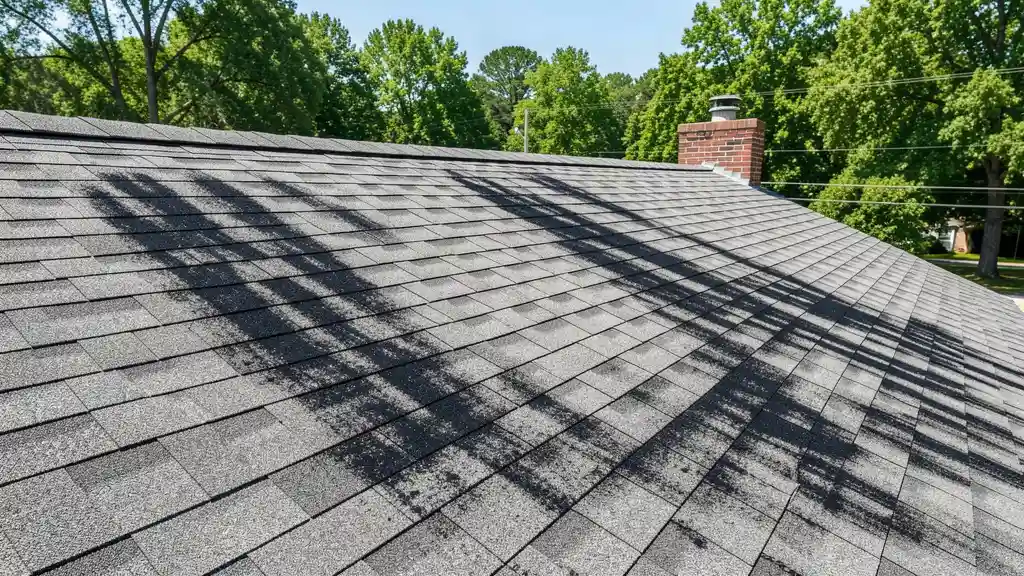




Black streaks on asphalt roof shingles are caused by Gloeocapsa magma, a blue-green algae that thrives in Orangeburg's humid climate. The safe, effective removal method is soft-washing with a diluted bleach solution or oxygen bleach applied at low pressure, followed by gentle rinsing.
What Causes Black Streaks on Asphalt Roof Shingles in Orangeburg SC?
Those dark, streaky discolorations you see on roofs across Orangeburg neighborhoods aren't dirt or soot — they're living colonies of Gloeocapsa magma, a blue-green algae. This algae is airborne and lands on your roof, where it feeds on the limestone filler embedded in asphalt shingles.
Orangeburg's climate creates a perfect breeding ground for this algae. Our summers are hot and humid, winter temperatures stay mild, and we average 48 inches of rain per year. Algae spreads fastest on north-facing roof slopes that stay shaded and damp, which is why you'll often see one side of a house streaked while the other side looks clean.
Once established, the algae colony darkens as it grows, creating the characteristic black or dark green streaks. The discoloration isn't just cosmetic — over time, the algae can trap moisture against your shingles and accelerate granule loss, potentially shortening your roof's lifespan.
Is It Safe to Remove Black Streaks from My Roof Myself?
Homeowners can safely remove light to moderate black streaks themselves using the soft-wash method, as long as they follow proper safety precautions. The key is low pressure — you want the cleaning solution to do the work, not water pressure.
However, if your roof is steep (over 7/12 pitch), if the algae covers more than 50% of the roof, or if you have any concerns about walking on your roof, it's safer to hire a professional. Wet shingles are extremely slippery, and falls from roofs account for a significant number of home maintenance injuries in the US each year.
If you suspect the black streaks might be covering storm damage — missing shingles, curling tabs, or granule loss — skip the DIY approach entirely and get a professional roof inspection first. Dubya Roofing offers free roof inspections for Orangeburg homeowners.
How to Remove Black Streaks from Roof Shingles: Step-by-Step Guide
Step 1: Safety First
Never climb onto a wet or algae-covered roof. Algae makes the surface extremely slick. If you can reach the roof from the ground with a garden sprayer or spray wand, do the entire job from ground level. If you must go on the roof, use a safety harness anchored to the ridge, wear rubber-soled shoes, and work on a dry, cool day (below 80°F).
Step 2: Choose Your Cleaning Solution
Two effective options for Orangeburg homeowners:
- Diluted bleach mixture: Mix 1 part household bleach (sodium hypochlorite) with 2 parts water. Add a squirt of liquid dish soap as a surfactant to help the solution cling to vertical surfaces. This is effective but can kill plants and grass below, so pre-wet all landscaping thoroughly before applying.
- Oxygen bleach (sodium percarbonate): Mix according to package directions. This is more environmentally friendly and safer for plants, but may require multiple applications for heavy algae growth. It works well in Orangeburg's warm water (the reaction activates faster in warm conditions).
Step 3: Apply the Solution
Use a garden sprayer with an extended wand. Starting at the ridge of the roof (if accessible) or from a ladder, apply the cleaning solution to the streaked areas. Let the solution sit for 15-20 minutes — you'll see the black streaks start to lighten as the algae dies. Do NOT let the solution dry on the shingles, as this can leave residue. Work in sections and keep the surface damp.
Step 4: Rinse Gently
Rinse the roof with a garden hose at LOW pressure — never use a pressure washer. Start from the ridge and work downward. Rinse thoroughly to remove all cleaning solution residue. Make sure to also rinse your gutters and downspouts, as the dead algae and cleaning solution will flow into them.
Step 5: Prevent Regrowth
After cleaning, consider installing zinc or copper strips along the ridge line of your roof. When it rains, trace amounts of metal ions wash down over the shingles and naturally inhibit algae growth for years. Trim back overhanging tree limbs to allow more sunlight to reach the roof and help it dry faster between rain events.
Does Pressure Washing Damage Roof Shingles in Orangeburg SC?
Yes, pressure washing is actively damaging to asphalt roof shingles and should never be used for black streak removal. Here's why:
- Granule loss: Pressure washing at 1500+ PSI blasts off the protective ceramic granules that shield your shingles from UV rays. Once granules are gone, the asphalt underneath degrades rapidly.
- Water intrusion: High-pressure water can be forced up under shingle edges and into the roof deck, leading to rot, mold growth in your attic, and interior ceiling stains.
- Voided warranty: Most asphalt shingle manufacturers explicitly void warranties if power washing is used on their products.
- Uneven appearance: Pressure washing often removes more granules from some areas than others, leaving your roof looking patchy and worn.
The soft-wash method — low-pressure spraying with cleaning solution — is the only recommended technique. It kills the algae without damaging the shingles.
How Much Does Professional Roof Cleaning Cost in Orangeburg SC?
Professional soft-wash roof cleaning in Orangeburg typically ranges from $250 to $600 for a standard 2,000-square-foot home, depending on the severity of algae growth, roof pitch, and accessibility. This is significantly less than the cost of premature roof replacement caused by granule damage from improper cleaning methods.
Many Orangeburg homeowners bundle roof cleaning with gutter cleaning and a roof inspection, which reduces the overall cost and gives you a complete picture of your roof's health heading into storm season.
When to Call a Roofing Company Instead of Cleaning
Black streaks can sometimes mask more serious roof issues. Call a professional roofer in Orangeburg if:
- You see curled, cracked, or missing shingles under the streaks
- The roof is leaking into your attic or causing ceiling stains
- You notice dark patches that don't lighten when wet (this may indicate granule loss, not algae)
- The roof is over 20 years old and nearing replacement age
- You've recently had a hailstorm or windstorm in Orangeburg County
A roof inspection costs nothing with Dubya Roofing and can save you thousands by catching minor issues before they become major repairs.
Does a New Roof in Orangeburg SC Need Algae-Resistant Shingles?
If you're planning a roof replacement in Orangeburg, investing in algae-resistant shingles is strongly recommended. These shingles have copper-infused ceramic granules that naturally suppress algae growth for the life of the shingle. Many manufacturers now offer algae-resistant versions of their architectural shingles at a minimal upcharge.
When getting quotes for roof replacement in Orangeburg, ask your roofer specifically about algae-resistant shingle options. The slight premium pays for itself by keeping your roof looking clean and well-maintained for years longer than standard shingles.
Bottom Line: Keep Your Orangeburg Roof Clean and Protected
Black streaks on your roof are a cosmetic issue caused by airborne algae, but they can lead to bigger problems if ignored. The safe removal method is soft-washing with a bleach-based or oxygen bleach solution applied at low pressure and gently rinsed. Avoid pressure washers at all costs — they damage shingles and void warranties.
If you're unsure whether the dark marks on your Orangeburg roof are algae or a sign of storm damage, call Dubya Roofing for a free inspection. Our team serves all of Orangeburg County, from downtown to the Lake Marion area.