




Roof Ventilation Guide: Why It Matters in South Carolina
By Dubya Roofing & Gutters | January 02, 2026 | 7 min read
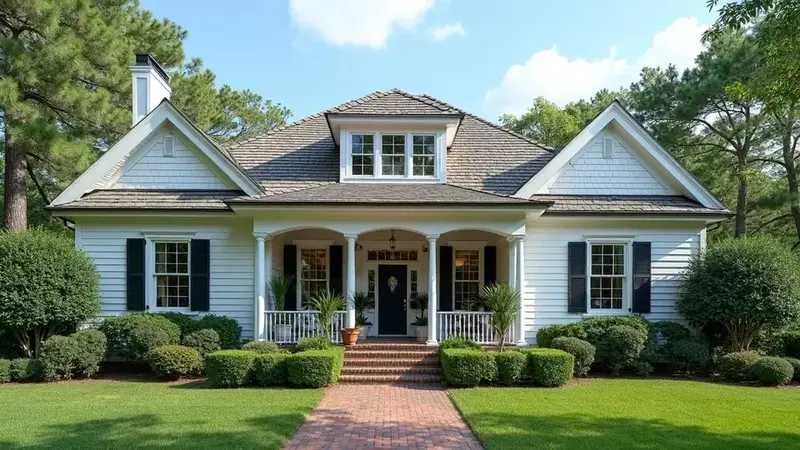
In South Carolina, where summer attic temperatures can soar above 150 degrees Fahrenheit, proper roof ventilation is not a luxury but a necessity. Poor ventilation can lead to premature roof failure, skyrocketing energy bills, and moisture problems that damage your entire home. Here is everything SC homeowners need to know about keeping air flowing through their roof system.
How Roof Ventilation Works
Roof ventilation creates a continuous airflow through your attic space using intake vents near the eaves and exhaust vents near the ridge. As hot air rises and exits through the ridge vents, cooler air is drawn in through the soffit vents below. This natural convection cycle prevents heat and moisture from building up in the attic, protecting both your roof and your living space below.
Why Ventilation Matters in South Carolina
Reduces Cooling Costs
An unventilated attic in South Carolina can reach temperatures of 150 to 170 degrees during summer months. That superheated air radiates down through your ceiling, forcing your air conditioner to work overtime. Proper ventilation can reduce attic temperatures by 30 to 40 degrees, which translates directly to lower energy bills. Many homeowners see a 10 to 15 percent reduction in cooling costs after improving attic ventilation.
Prevents Moisture Damage
South Carolina humidity averages 70 to 80 percent year-round. Without proper ventilation, moisture gets trapped in the attic and condenses on the underside of the roof deck. Over time, this moisture causes wood rot, mold growth, and deterioration of insulation. Moisture damage from poor ventilation is one of the most common causes of premature roof repair needs in our area.
Extends Roof Lifespan
Excessive heat breaks down roofing materials from the inside out. Shingles exposed to extreme attic heat age faster, lose granules more quickly, and become brittle. Proper ventilation helps your shingle roof reach its full expected lifespan rather than failing prematurely.
Types of Roof Vents
The most effective ventilation systems combine soffit vents for intake with ridge vents for exhaust. Other options include box vents, turbine vents, and powered attic ventilators. Your contractor should calculate the proper vent area based on your attic square footage. The general rule is 1 square foot of ventilation for every 150 square feet of attic space.
Signs of Poor Ventilation
Watch for these warning signs: ice dams in winter (rare in SC but possible), curling or blistering shingles, musty odors in the attic, visible mold on attic surfaces, and rooms that are difficult to cool in summer. If you notice any of these issues, schedule a professional roof inspection to evaluate your ventilation system.
Get Your Ventilation Assessed
At Dubya Roofing and Gutters, we evaluate ventilation as part of every roof inspection. Whether you need additional vents, ridge vent installation, or a complete ventilation upgrade, our team can design a system that keeps your home comfortable and your roof healthy. Call (803) 855-1850 for your free assessment.
Frequently Asked Questions
How hot does an attic get in South Carolina without ventilation?
An unventilated attic in South Carolina can reach 150 to 170 degrees Fahrenheit during summer months. With proper ventilation including ridge vents and soffit vents, attic temperatures can be reduced by 30 to 40 degrees, significantly lowering cooling costs.
How much ventilation does my roof need?
The standard recommendation is 1 square foot of net free ventilation area for every 150 square feet of attic floor space. This should be split evenly between intake vents near the eaves and exhaust vents near the ridge for optimal airflow.
Can poor ventilation void my roof warranty?
Yes. Many shingle manufacturers require adequate attic ventilation as a condition of their warranty. If your roof fails prematurely due to insufficient ventilation, the manufacturer may deny your warranty claim. Always verify ventilation requirements with your roofing contractor.
What is the best type of roof vent for South Carolina?
Ridge vents combined with soffit vents create the most effective ventilation for South Carolina homes. Ridge vents run along the peak of your roof and provide consistent exhaust along the entire roofline, while soffit vents draw in cooler air from below.
Ready to Get Started?
Call Dubya Roofing & Gutters for a free, no-obligation estimate today.
(803) 855-1850 Request a Quote