




How South Carolina Summer Heat Damages Your Roof
By Dubya Roofing & Gutters | February 16, 2026 | 7 min read
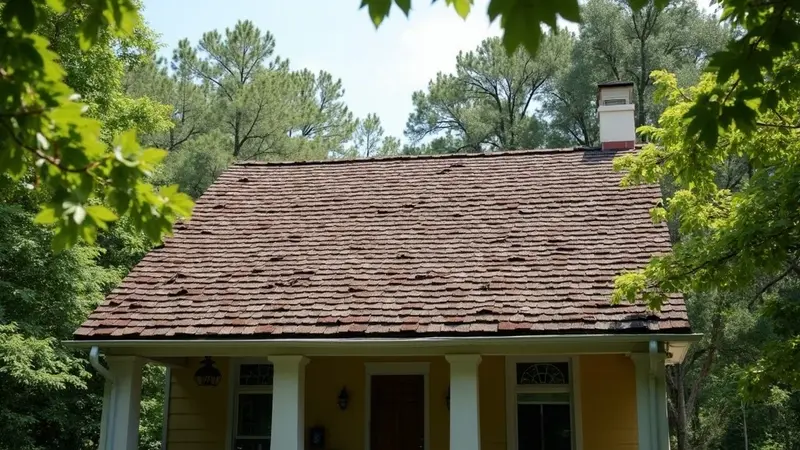
South Carolina summers are brutal, and your roof takes the worst of it. With temperatures regularly exceeding 95 degrees and humidity hovering around 80 percent, the combination of heat, UV radiation, and moisture creates a hostile environment for roofing materials. Understanding how heat damages your roof helps you take preventive steps to protect your investment.
How Heat Affects Asphalt Shingles
Asphalt shingles absorb solar energy and can reach surface temperatures of 150 to 170 degrees on a hot SC summer day. This extreme heat causes the asphalt to soften and expand during the day, then cool and contract at night. This daily thermal cycling weakens the shingle structure over time, causing cracks, curling, and granule loss. The protective granules that coat the shingle surface gradually loosen and wash away, leaving the asphalt exposed to direct UV degradation.
Attic Heat Buildup
When your roof absorbs all that solar energy, much of it transfers into your attic space. An attic with poor ventilation can reach 150 to 170 degrees, cooking your shingles from both sides. This accelerated aging from underneath is a leading cause of premature roof failure in South Carolina. Proper roof maintenance includes ensuring your ventilation system is functioning correctly.
UV Radiation Damage
South Carolina receives approximately 2,500 hours of sunshine per year, which means your roof is under constant UV bombardment for much of the day. UV radiation breaks down the chemical bonds in roofing materials at a molecular level. This process, called photodegradation, causes colors to fade, materials to become brittle, and sealants to crack and separate. Even the best roofing materials are not immune to UV damage over time.
Thermal Shock
Summer thunderstorms in South Carolina can drop temperatures 20 to 30 degrees in minutes. When a cold downpour hits shingles that are baking at 160 degrees, the sudden temperature change creates thermal shock. This rapid contraction can crack brittle shingles, break sealant bonds, and open gaps where water can infiltrate. Repeated thermal shock events throughout the summer compound the damage.
How to Protect Your Roof from Heat Damage
Ensure your attic ventilation is adequate with both intake and exhaust vents. Consider reflective or cool roofing materials that reflect more solar energy. Keep your attic well insulated to reduce heat transfer. Schedule annual roof inspections to catch heat damage early. If your roof is aging, consider reflective roof coatings that can reduce surface temperatures by 50 degrees or more.
When Heat Damage Means Replacement Time
If your roof shows widespread curling, extensive granule loss, multiple cracks, or is approaching its expected lifespan, the cumulative heat damage may mean it is time for a roof replacement. A new roof with modern materials and proper ventilation will perform significantly better against South Carolina summer heat. Call Dubya Roofing and Gutters at (803) 855-1850 for a free evaluation of your roof condition.
Frequently Asked Questions
How hot does a roof get in South Carolina summers?
Asphalt shingle roofs in South Carolina can reach surface temperatures of 150 to 170 degrees Fahrenheit during peak summer days. Dark-colored shingles absorb more heat than lighter colors. The roof surface temperature is typically 40 to 60 degrees hotter than the air temperature.
Can heat damage void my roof warranty?
Heat damage itself typically does not void a warranty, but inadequate attic ventilation can. Most shingle manufacturers require proper ventilation as a warranty condition. If premature failure is caused by insufficient ventilation rather than material defect, the manufacturer may deny your claim.
What color roof is best for South Carolina heat?
Lighter colored shingles reflect more solar energy and stay cooler than dark colors. A light gray or tan shingle can be 20 to 30 degrees cooler than a black or dark brown shingle. However, architectural style and neighborhood aesthetics also matter. Cool roof coatings can help regardless of color.
Does a metal roof handle SC heat better than shingles?
Yes. Metal roofs reflect more solar energy than asphalt shingles and do not experience granule loss or thermal cycling damage. A properly installed metal roof with a reflective finish can reduce cooling costs by 10 to 25 percent compared to standard dark shingles.
Ready to Get Started?
Call Dubya Roofing & Gutters for a free, no-obligation estimate today.
(803) 855-1850 Request a Quote