




How to Spot Hail Damage on Your Roof in Summerville SC
By Dubya Roofing & Gutters | July 26, 2026 | 8 min read
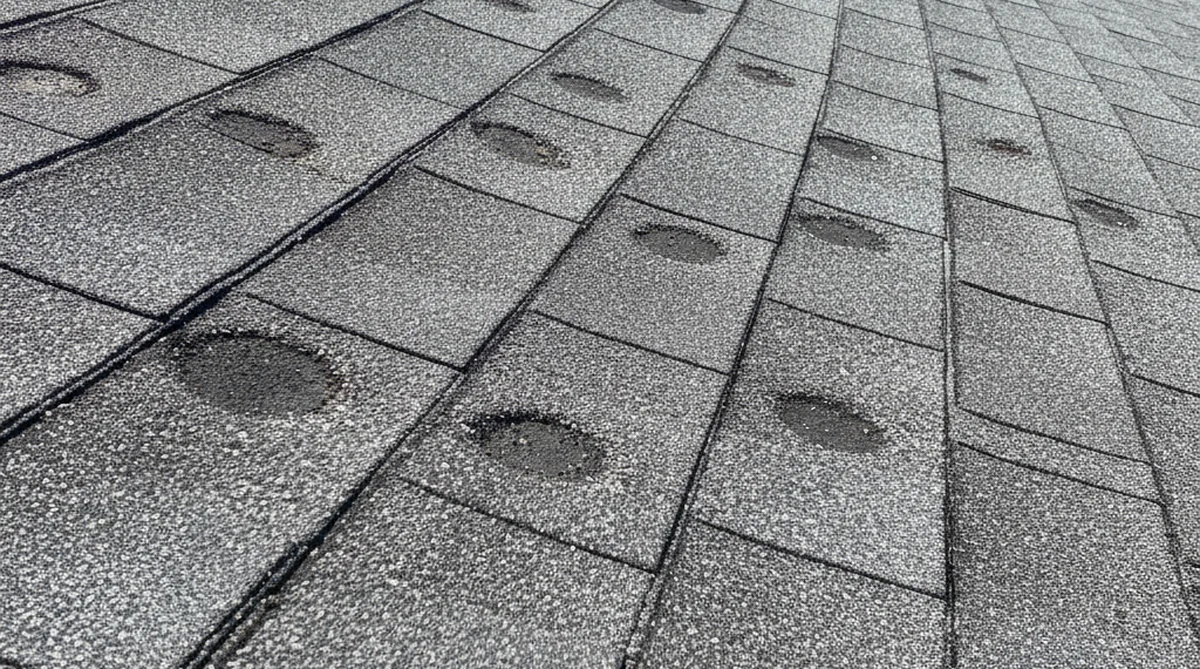
Hail damage on your roof appears as dark spots or bruises on shingles, missing granules, dented or cracked shingles, and damaged roof vents or flashing. Summerville homeowners should inspect their roofs after every severe thunderstorm, especially during spring and summer months when hail is most common in the South Carolina Lowcountry.
What Does Hail Damage Look Like on Asphalt Shingles?
Hail damage on asphalt shingles typically appears as random dark spots where the protective granules have been knocked off, exposing the underlying asphalt layer. When you examine your roof after a hailstorm in Summerville, look for areas that appear darker or shinier than the surrounding shingles—these are classic indicators of impact damage.
The size and severity of hail damage depends on several factors including the size of the hailstones, wind speed during the storm, the age of your roof, and the quality of your shingles. Hailstones as small as one inch in diameter can cause significant damage, while larger stones (golf ball-sized or bigger) can create obvious dents and cracks. In the Summerville area, we've seen storms produce hail ranging from pea-sized to baseball-sized, with the larger stones capable of punching straight through weakened roofing materials.
Look for these specific signs on your asphalt shingles:
- Loss of granules creating visible dark or shiny spots
- Dents or bruises that feel soft when pressed
- Cracks in the shingle surface
- Missing shingle tabs or corners
- Exposed fiberglass mat beneath the asphalt
How Can You Check Your Roof's Edges and Gutters for Hail Damage?
Your gutters and roof edges often show the most obvious signs of hail damage and are easier to inspect from ground level. Check your gutters for dents, particularly on the top edges and downspouts, and look for an accumulation of shingle granules—these appear as dark, sand-like particles collecting in your gutter system.
At Dubya Roofing & Gutters, we understand that damaged gutters can compound roofing problems by allowing water to pool or overflow, potentially causing water damage to your Summerville home's foundation and siding. When we install replacement gutters after storm damage, we use our KWM seamless gutter machine to fabricate gutters right on-site at your property. This means your new gutters have no seams along straight runs, which eliminates the most common leak points and provides superior protection against South Carolina's heavy rainfall.
If you notice significant denting in your gutters or granule accumulation after a hailstorm, it's time to call (803) 855-1850 for a professional inspection. What looks like minor gutter damage often indicates more serious roof damage that isn't visible from the ground.
Where Should You Look for Hail Damage on Roof Vents and Flashing?
Roof vents, flashing, and other metal components show hail damage more clearly than shingles because dents are immediately visible on these surfaces. Inspect all exposed metal areas including plumbing vents, ridge vents, chimney flashing, and valley flashing for obvious dings and dents.
These metal components are critical for keeping water out of your home, and even small dents can compromise their effectiveness over time. In the humid Summerville climate, any breach in your roof's protective barriers can quickly lead to moisture infiltration, mold growth, and structural damage. Pay special attention to:
- Plumbing vent boots (both metal and rubber varieties)
- Turbine or powered attic vents
- Step flashing along chimneys and walls
- Drip edge and rake edge metal
- Valley flashing where two roof planes meet
Dented or cracked vent covers may need immediate replacement to prevent water entry, especially during Summerville's afternoon thunderstorms that are common from May through September.
When Should You Conduct a Professional Roof Inspection After Hail?
You should schedule a professional roof inspection within a few days after any hailstorm that produces stones larger than one inch in diameter. While you can perform a preliminary inspection from the ground using binoculars, only a qualified roofing contractor can safely assess the full extent of damage from on top of your roof.
Many Summerville homeowners make the mistake of waiting too long after a storm to have their roof inspected. Insurance companies typically require claims to be filed within one year of the damage occurring, but waiting months can make it harder to prove that damage resulted from a specific storm event. Additionally, unrepaired hail damage allows water to penetrate your roof system, leading to progressively worse problems including rotted decking, compromised insulation, and interior ceiling damage.
Professional inspectors know exactly where to look and can identify subtle damage that untrained eyes might miss. They'll check the slope and direction of your roof planes, as hail driven by wind often impacts certain areas more severely than others. In Orangeburg County and the greater Summerville area, storm systems typically move from west to east, meaning western and northern roof slopes often sustain the most damage.
Can You Document Hail Damage for Insurance Purposes?
Proper documentation of hail damage is essential for filing a successful insurance claim, and you should begin this process immediately after a storm. Take photographs from multiple angles showing your entire roof, close-up shots of damaged areas, and images of your gutters filled with granules or showing dents.
Create a comprehensive record by:
- Photographing the overall condition of your roof from all sides of your house
- Taking close-up photos of damaged shingles, vents, and flashing
- Documenting the date and approximate time of the hailstorm
- Collecting several hailstones if possible and photographing them next to a ruler or common object for size reference
- Saving local weather reports that confirm hail occurred in your area
- Photographing any interior damage such as water stains on ceilings
Keep all documentation organized in a folder, including written notes about what you observed during and after the storm. When professional roofers from Dubya Roofing & Gutters inspect your Summerville property, they'll provide a detailed assessment report that you can submit to your insurance company along with your own documentation. This comprehensive approach significantly improves your chances of claim approval and ensures you receive adequate compensation for repairs or replacement.
What Are the Long-Term Consequences of Ignoring Hail Damage?
Ignoring hail damage on your Summerville roof leads to accelerated deterioration and can void your manufacturer's warranty. Even minor hail impacts compromise the waterproof integrity of your shingles, allowing moisture to seep into the underlayment and eventually the roof decking below.
In South Carolina's humid subtropical climate, moisture intrusion creates ideal conditions for mold, mildew, and wood rot. What starts as a few bruised shingles can progress within months to widespread water damage requiring not just roof replacement but also costly repairs to rafters, decking, insulation, and interior ceilings. The financial difference between addressing hail damage immediately versus waiting until secondary damage occurs can amount to thousands of dollars.
Additionally, unrepaired hail damage makes your roof more vulnerable to future storms. Weakened shingles are more likely to blow off during high winds, and compromised seals allow wind-driven rain to penetrate your home. For Summerville residents who experience the occasional hurricane or tropical storm, maintaining roof integrity is crucial for protecting your entire property investment.
Frequently Asked Questions
How big does hail need to be to damage a roof in Summerville?
Hail as small as one inch in diameter can cause damage to asphalt shingles, especially on older roofs. Larger hailstones (1.5 inches or greater) will almost certainly damage roofing materials and may also dent gutters, vents, and metal flashing.
What time of year is hail most common in Summerville, SC?
Hail is most common in Summerville during spring and early summer months, particularly from March through June when severe thunderstorms are most frequent. However, hailstorms can occur any time during the year when conditions support strong thunderstorm development.
Will homeowners insurance cover hail damage to my Summerville roof?
Most homeowners insurance policies in South Carolina cover hail damage as a covered peril under the dwelling protection portion of the policy. However, you'll need to file a claim within the policy's time limit (typically one year) and pay your deductible before repairs are covered.
Can I inspect my roof for hail damage myself or do I need a professional?
While you can perform a preliminary inspection from the ground using binoculars, a professional inspection is recommended for accurate assessment. Roofing professionals know exactly where to look, can safely access all areas of your roof, and can identify subtle damage that untrained observers might miss.
How long does hail damage take to cause leaks in my Summerville home?
The timeline varies depending on the severity of damage and weather conditions, but compromised shingles can begin allowing water intrusion within weeks of a hailstorm. In Summerville's rainy climate with frequent afternoon thunderstorms, unrepaired hail damage can lead to noticeable leaks within one to three months.
Published July 26, 2026 | Dubya Roofing and Gutters serves Orangeburg, Sumter, Summerville, Bamberg, Holly Hill, and surrounding counties in the SC Midlands.