




How to Spot Roof Storm Damage: Complete Inspection Guide
By Dubya Roofing & Gutters | May 16, 2026 | 8 min read
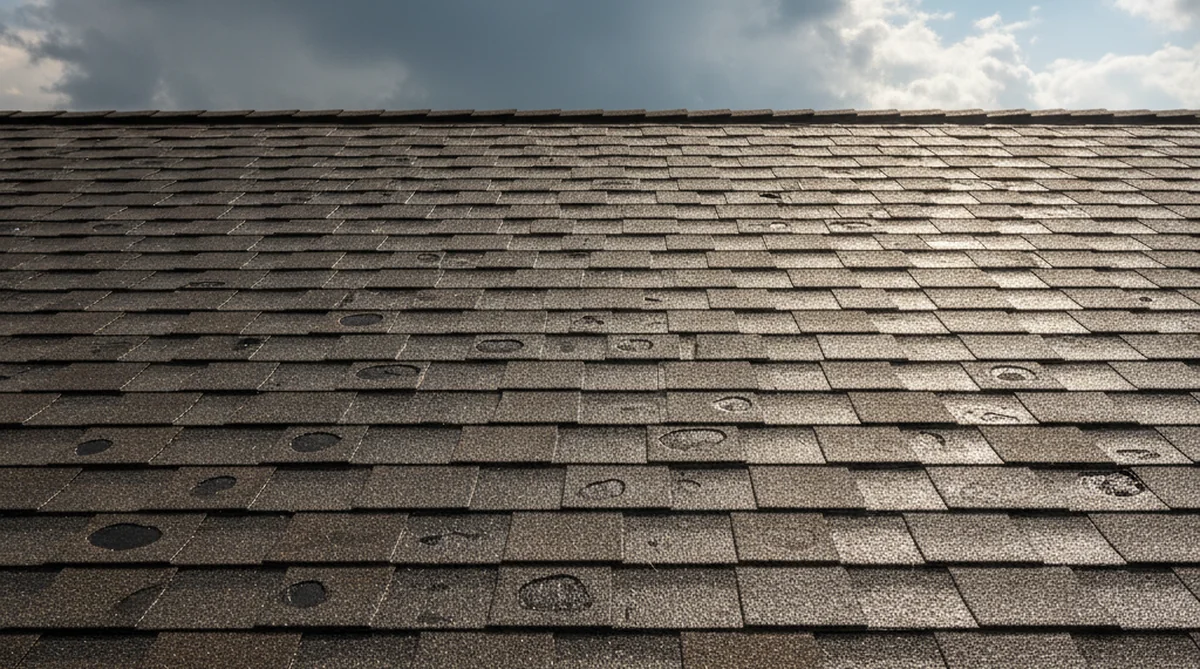
To spot roof storm damage, inspect your shingles for granule loss and impact marks, check gutters and metal components for dents, look for cracked or missing shingles, examine flashing and vents for separation, and check your attic for water stains or daylight through the roof deck. A thorough storm damage inspection covers 8 key areas — use the checklist below to assess your roof after any severe weather event in South Carolina.
Complete Storm Damage Inspection Checklist
Use this step-by-step checklist to conduct a thorough roof inspection after any storm. For best results, perform a ground-level walkaround first, then call a professional for a full evaluation.
- Check for Granule Loss in Gutters and Downspouts — After a storm, check your gutters and downspouts for an accumulation of sand-like granules. These granules are the protective coating on asphalt shingles, and excessive granule loss signals that hailstones or debris have impacted your roof. Heavy granule buildup in downspout outlets or at ground level below downspouts is a strong indicator of widespread shingle damage.
- Inspect Shingles for Impact Marks and Bruising — Look for dark, circular impact marks on asphalt shingles where the granule layer has been knocked away. Press gently on these spots — if the shingle feels soft or spongy, the underlying fiberglass mat has been compromised. This bruising weakens the shingle and creates future leak points, even if the damage isn't immediately visible from the ground.
- Examine Metal Flashing, Vents, and Chimney Caps — Metal roof components are excellent indicators of storm severity. Check for dents, dimples, or paint chips on flashing around chimneys, skylights, vent pipes, and roof valleys. Dented metal components confirm that your roof took a direct hit from hailstones or wind-driven debris, making shingle damage highly likely even if not visible from the ground.
- Look for Cracked, Curled, or Missing Shingles — High winds accompanying storms can lift shingles, cracking the sealant strips or tearing them away entirely. Inspect for shingles that appear lifted, curled at the edges, or completely missing. Also check for random shingle tabs that have broken off — wind-driven hail can fracture individual shingle tabs without affecting adjacent ones.
- Inspect Gutters and Downspouts for Physical Damage — Hail and debris impact can dent aluminum gutters, loosen fasteners, and separate gutter sections at the seams. Check for sagging gutter runs, visible dents along the length of gutters, and separation at joints. Damaged gutters cannot properly channel water away from your roof and foundation, compounding storm-related issues.
- Check Attic for Water Stains, Daylight, or Moisture — Inside your attic, look for water stains on the underside of the roof deck, streaks of moisture on rafters, or any daylight visible through the roof sheathing. Use a flashlight to examine the entire underside of the roof — even small pinpoints of light indicate compromised shingles or damaged underlayment that need immediate attention.
- Examine Ridge Caps and Hips for Wind Damage — Ridge cap shingles and hip shingles are particularly vulnerable to wind uplift during storms. Check for missing, cracked, or displaced ridge caps. These areas are critical seal points on your roof, and damage here can allow water infiltration along the peak of your roof. Loose ridge caps may also indicate that nails have been pulled free by wind forces.
- Survey the Property for Debris and Fallen Branches — Walk the perimeter of your property looking for fallen tree limbs, branches, or other debris that may have struck your roof. Large debris impacts can crack the roof deck, dislodge shingles, or damage gutters. Also inspect for siding damage, broken fence posts, or other exterior damage that corroborates the severity of the storm.
After completing this checklist, call Dubya Roofing & Gutters at (803) 855-1850 for a professional storm damage inspection. Our team has the training and equipment to identify both obvious and hidden storm damage, and we provide detailed documentation for insurance claims.
Understanding Storm Damage Patterns Common in South Carolina
Hail damage in Orangeburg County typically appears as circular impact marks on asphalt shingles, with the shingle granules knocked loose or the mat beneath exposed. When severe thunderstorms roll through the Midlands region of South Carolina, hailstones can range from pea-sized to golf ball-sized or larger, each creating distinct damage patterns. The intensity of damage depends on the size of the hail, wind speed during the storm, the age and condition of your roof, and the roofing materials used. Orangeburg's hot, humid summers can already stress roofing materials, making them more vulnerable when hail strikes. Even small hail can compromise your roof's integrity, shortening its lifespan and creating entry points for water that can lead to interior damage, mold growth, and structural issues over time.
Inspecting Shingles for Storm Impact Marks and Granule Loss
The most obvious sign of hail damage is visible impact marks on your asphalt shingles, which may appear as dark spots where the protective granule layer has been knocked away. When inspecting your roof after a storm in Orangeburg, look for shingles with a random pattern of dings or spots that feel soft to the touch, indicating the underlying mat has been compromised. Granule loss is another critical indicator—check your gutters and downspouts for an excessive accumulation of the sand-like granules that coat shingles. While some granule loss is normal as roofs age, a sudden increase after a hailstorm signals damage. You may also notice shiny spots on shingles where the granules are completely gone, exposing the asphalt layer beneath. Cracked or broken shingles are more severe indicators, and missing shingles suggest the hail impact was forceful enough to break the seal or tear the material completely.
Checking Gutters, Downspouts, and Metal Components for Storm Damage
Your gutters and metal roof components often show hail damage more readily than shingles, making them valuable diagnostic tools. Look for dents or dings on aluminum gutters, downspouts, roof vents, chimney caps, and flashing around your Orangeburg home. These soft metals dent easily under hail impact, providing visible evidence of a damaging storm even when shingle damage is harder to spot from the ground. If you notice that your seamless gutters have sustained damage, this is an excellent time to consider an upgrade—at Dubya Roofing & Gutters, we fabricate gutters on-site using our KWM seamless gutter machine, ensuring a perfect fit with no seams that could leak or separate over time. Also inspect the areas where your gutters meet the roofline for signs of separation or sagging, as hail can sometimes damage the fasteners or hangers. Paint chips or cracks on painted metal surfaces are additional indicators that hail made contact with sufficient force to cause damage.
When to Call a Professional Roofing Inspector After a Storm
While ground-level inspections are helpful, a thorough roof inspection requires getting on the roof safely or using professional equipment to assess damage accurately. If you suspect hail damage to your Orangeburg County home, contact a licensed roofing professional who can conduct a comprehensive inspection and document all damage for insurance purposes. If you suspect storm damage to your roof, call Dubya Roofing & Gutters at (803) 855-1850 to schedule a free inspection. Learn more about our storm damage roof repair services in Orangeburg and our full range of roof repair options. Professional inspectors know exactly what to look for, including subtle damage that homeowners often miss, such as hairline cracks, compromised sealant, or damage to the decking beneath the shingles. They can also assess whether damage is recent or pre-existing, which is crucial for insurance claims. Time is of the essence—most insurance policies require you to report damage within a specific timeframe, and delaying your inspection could complicate your claim or allow minor damage to worsen into major leaks.
Documenting Damage for Insurance Claims
Proper documentation is essential when filing an insurance claim for hail damage in Orangeburg. Start by photographing the overall condition of your roof from multiple angles, then take close-up shots of any visible damage to shingles, gutters, vents, and other components. Document the date and time of the storm if possible, and keep records of any weather reports from the National Weather Service showing hail in your area. Interior photos of any water stains, leaks, or damage should also be included, as these demonstrate the consequences of the roof damage. A professional inspection report from a reputable Orangeburg roofing company like Dubya Roofing & Gutters provides the detailed documentation insurance adjusters need to process your claim efficiently. Many insurance companies will send their own adjuster to verify the damage, but having your own professional assessment ensures nothing is overlooked. Keep all communication with your insurance company in writing, and don't authorize repairs until your claim has been approved unless emergency tarping or temporary fixes are needed to prevent further damage.
Addressing Hidden Damage and Long-Term Concerns
Not all hail damage is immediately apparent, which makes ongoing vigilance important for Orangeburg homeowners. Some impacts may compromise the shingle's protective layer without creating obvious visible damage, leading to premature aging and failure months or even years after the storm. This hidden damage can allow moisture to penetrate the roofing system gradually, causing rot in the decking, insulation damage, and potential mold growth in your attic space. Watch for signs of interior damage in the weeks and months following a hailstorm, including water stains on ceilings, musty odors, or increased energy bills due to compromised insulation. Orangeburg's humid climate accelerates water-related damage, making it especially important to address even minor roof compromises quickly. Regular annual roof inspections can catch developing problems before they become major repairs. If your roof inspection reveals significant hail damage, don't delay repairs—a compromised roof becomes more vulnerable with each subsequent storm, and small problems can quickly escalate into costly structural damage.
Frequently Asked Questions
How soon after a hailstorm should I have my roof inspected in Orangeburg?
You should schedule a professional roof inspection within a few days to a week after a hailstorm in Orangeburg. This timing allows you to document damage while it's fresh and file insurance claims promptly, while also preventing minor damage from worsening during subsequent rain events.
Can I inspect my own roof for hail damage, or do I need a professional?
While you can perform a preliminary ground-level inspection looking at gutters and visible shingles, a professional inspection is strongly recommended for accurate damage assessment. Professionals have the training, safety equipment, and experience to identify subtle damage that homeowners often miss, and their documentation is valuable for insurance claims.
What size hail causes roof damage in South Carolina?
Hail one inch in diameter or larger typically causes noticeable roof damage in South Carolina, though smaller hail can damage older or already-compromised roofs. Hail larger than 1.75 inches (golf ball-sized) almost always causes significant damage to asphalt shingles and should prompt an immediate inspection.
Will my homeowners insurance cover hail damage to my roof in Orangeburg?
Most standard homeowners insurance policies in Orangeburg cover hail damage as a weather-related peril, though coverage depends on your specific policy terms and deductible. You'll need to file a claim promptly after discovering damage and provide documentation, typically including a professional inspection report and photos.
How long does hail damage take to cause roof leaks?
Hail damage can cause immediate leaks if shingles are cracked or punctured, but more commonly, damage leads to leaks over several months or years as compromised areas deteriorate. The humid climate in Orangeburg County can accelerate this deterioration, making prompt repairs essential to prevent water intrusion.
Published May 16, 2026 | Dubya Roofing and Gutters serves Orangeburg, Sumter, Summerville, Bamberg, Holly Hill, and surrounding counties in the SC Midlands.