




Roof Flashing Repair Guide for Holly Hill, SC Homeowners
By Dubya Roofing & Gutters | September 20, 2026 | 8 min read
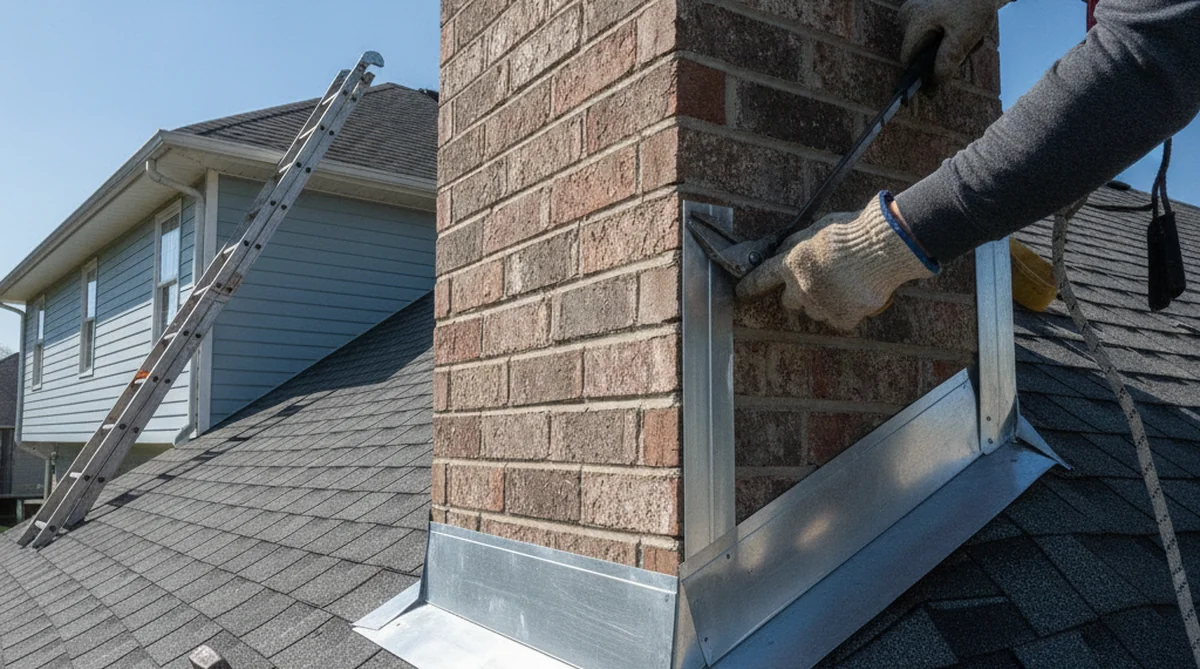
Roof flashing repair in Holly Hill, SC typically costs between $200-$800 depending on the extent of damage and location, with most repairs completed within a day by experienced professionals who understand the unique weather challenges of Orangeburg County.
What Is Roof Flashing and Why Does It Matter in Holly Hill?
Roof flashing is the metal material installed at vulnerable points on your roof to direct water away from critical areas like chimneys, vents, skylights, and valleys. In Holly Hill, where summer thunderstorms and seasonal rainfall are common occurrences, properly functioning flashing serves as your home's first line of defense against water intrusion. When flashing fails or becomes damaged, even a roof in otherwise excellent condition can develop serious leaks that lead to interior water damage, mold growth, and structural issues.
The hot, humid climate of Orangeburg County accelerates the deterioration of roofing materials, making regular flashing inspections especially important for local homeowners. Metal flashing expands and contracts with temperature fluctuations, and the sealant around flashing points can dry out and crack over time, creating pathways for water to enter your home.
Common Signs Your Roof Flashing Needs Repair
The most obvious indicator that your flashing needs attention is water stains on your ceilings or walls, particularly near chimneys, roof valleys, or where your roof meets vertical walls. However, catching problems early requires knowing what to look for before interior damage occurs.
- Visible rust or corrosion: Orange or brown discoloration on metal flashing indicates deterioration that compromises waterproofing
- Bent or damaged flashing: Storm damage from Holly Hill's severe weather can bend or tear flashing away from its proper position
- Cracked or missing sealant: The caulk or roofing cement around flashing edges should be intact and flexible, not cracked or peeling
- Lifted shingles near flashing: Shingles that have pulled away from flashing areas create gaps where water can penetrate
- Water stains in the attic: Dark spots on attic wood near chimneys or vents often indicate flashing failure
If you notice any of these warning signs, don't wait for the next rainstorm to reveal the full extent of the problem. Call Dubya Roofing & Gutters at (803) 855-1850 for a professional inspection and honest assessment of your flashing condition.
Types of Flashing Common to Holly Hill Homes
Different roof penetrations and architectural features require specific flashing types, each with unique repair considerations for Orangeburg County homeowners.
Chimney flashing is typically the most complex, consisting of base flashing and counter flashing that must accommodate both roof movement and chimney settling. Because chimneys are masonry structures that expand and contract at different rates than roofing materials, the flashing in this area is particularly vulnerable to separation and gaps.
Valley flashing protects the V-shaped channels where two roof planes meet, directing high volumes of water runoff. These areas experience concentrated water flow during Holly Hill's heavy summer rains, making them critical inspection points.
Vent pipe flashing uses rubber boots or metal collars to seal around plumbing vents, furnace exhausts, and other roof penetrations. The rubber components deteriorate quickly in South Carolina's intense UV exposure and can crack within 10-15 years.
Step flashing appears where a roof meets a vertical wall, with individual L-shaped pieces woven between shingles to channel water downward. When properly installed, step flashing provides excellent protection, but each piece must be correctly positioned for the system to work.
DIY vs. Professional Flashing Repair: What Holly Hill Homeowners Should Know
While minor sealant touch-ups might seem manageable for handy homeowners, most flashing repairs require professional expertise to ensure long-lasting, watertight results.
Professional roofers understand how different flashing types integrate with roofing systems and can identify underlying issues that aren't visible from the ground. They also have the proper safety equipment for working on pitched roofs and the experience to navigate Holly Hill's varied architectural styles, from historic homes downtown to newer developments in the area.
Attempting DIY flashing repairs can actually make problems worse if done incorrectly. Improper installation techniques, using incompatible materials, or failing to address root causes often lead to recurring leaks and more expensive repairs down the road. Additionally, walking on your roof without proper training can damage shingles and create new leak points.
At Dubya Roofing & Gutters, our team doesn't just fix flashing—we also fabricate custom gutters on-site using our KWM seamless gutter machine. This means if your flashing repair reveals gutter issues contributing to roof problems, we can provide a complete solution with gutters that have no seams to leak or separate, all during the same service visit.
The Flashing Repair Process: What to Expect
A professional flashing repair begins with a thorough inspection to determine the extent of damage and identify any related issues that could compromise the repair.
The repair process typically involves removing damaged flashing and any surrounding shingles that must be lifted to access the problem area. For chimney flashing, this often means removing old counter flashing from mortar joints and installing new stepped base flashing interwoven with your shingles. Fresh counter flashing is then installed and sealed into the chimney mortar.
Quality repairs use compatible materials that match your existing roof system. In Orangeburg County's climate, galvanized steel, aluminum, or copper flashing materials all perform well when properly installed. Your contractor should use high-quality roofing sealants rated for the temperature extremes and UV exposure common to South Carolina.
After installation, all flashing edges should be properly sealed, shingles carefully replaced and secured, and the work area thoroughly cleaned. A reputable contractor will test the repair with water before considering the job complete.
Preventing Future Flashing Problems in Holly Hill
Proactive maintenance significantly extends the life of your roof flashing and prevents costly emergency repairs during storm season.
Schedule annual roof inspections, ideally in spring before Holly Hill's summer storm season begins. Professional inspectors can spot minor issues like cracked sealant or loose flashing edges before they become major leaks. These inspections are particularly important for homes over 15 years old or those that have experienced recent severe weather.
Keep your gutters clean and functioning properly to prevent water backup that can work under flashing edges. When gutters overflow due to debris, water pools against fascia boards and can seep behind flashing. This is where our seamless gutter systems provide added protection—fabricated on-site to exact specifications using our KWM seamless gutter machine, they eliminate the weak points where sectional gutters often fail.
Trim overhanging tree branches that drop debris on your roof and can scrape against flashing during windy conditions. The many beautiful oak trees throughout Holly Hill provide wonderful shade but require regular maintenance to protect your roof.
Address small problems immediately rather than waiting for them to worsen. A small dab of sealant applied to a minor crack costs dollars, while replacing water-damaged ceiling drywall and framing costs thousands.
Frequently Asked Questions
How long does roof flashing typically last in Holly Hill, SC?
Metal roof flashing in Holly Hill typically lasts 20-30 years when properly installed, though rubber components like vent pipe boots may need replacement every 10-15 years due to UV degradation. The lifespan depends on material quality, installation technique, and exposure to Orangeburg County's heat and humidity.
Can damaged roof flashing cause interior water damage even if my shingles look fine?
Yes, damaged flashing is one of the most common causes of roof leaks even when shingles are in excellent condition. Since flashing protects vulnerable areas like chimneys and valleys where water concentrates, even small flashing failures can allow significant water intrusion during heavy rainfall.
What time of year is best for flashing repair in Holly Hill?
Spring and fall offer the most favorable weather conditions for flashing repair in Holly Hill, with moderate temperatures and lower chances of rain interrupting work. However, if you discover active leaks, immediate repair is necessary regardless of season to prevent progressive water damage to your home's interior.
Will homeowners insurance cover roof flashing repair in Orangeburg County?
Insurance coverage depends on the cause of damage—storm damage and sudden events are typically covered, while gradual deterioration from age and wear is usually considered maintenance and not covered. It's best to document any storm damage with photos and contact your insurance company promptly after severe weather events.
How can I tell if my roofer properly installed new flashing?
Properly installed flashing should lie flat against surfaces with no visible gaps, have overlapping layers that direct water downward, and include adequate sealant at all edges and seams. Each piece should be securely fastened, and shingles should overlap flashing appropriately—if you have concerns, a second opinion from another licensed contractor can provide peace of mind.
Published September 20, 2026 | Dubya Roofing and Gutters serves Orangeburg, Sumter, Summerville, Bamberg, Holly Hill, and surrounding counties in the SC Midlands.